

From Maiyan to Reception: Multi-Day Punjabi Wedding Coverage in the Okanagan
Last updated: October 2026
A Punjabi wedding is not a six-hour event. It is a celebration that unfolds over days — the Maiyan, the jaggo night, the Anand Karaj, the reception — each with its own mood, its own crowd, and its own once-in-a-lifetime moments.
If you are planning a Punjabi wedding in Kelowna, BC, or anywhere in the Okanagan, the single most important coverage decision is not which camera your photographer uses. It is whether your photo and film team is set up for multi-day Punjabi wedding coverage — the whole celebration — or only for a few hours of it.
What “multi-day coverage” actually means
Multi-day coverage does not mean a photographer standing around for four days straight. It means your coverage is planned around your events, not around a clock.
A typical Okanagan Punjabi wedding runs across two to four days of events. Each event is photographed and filmed as its own chapter — with its own energy — and then woven together into one complete story. The Maiyan feels completely different from the Anand Karaj morning, and the jaggo night feels nothing like the reception. Coverage that respects those differences is what makes a multi-day gallery feel like your week, not four separate shoots.
This is also where celebrations are heading: multi-day weddings planned as curated experiences — personal in the details, phone-free at the ceremony — rather than one long staged production.
The events, and what each one needs
The Maiyan. This is where the week begins — family, colour, music, and the first real emotions of the celebration. It is fast, loud, and full of moments that happen once: the chooda ceremony, the kaleerein, elders blessing the couple. A photographer who does not know these moments may not recognize them until they have already passed.
The jaggo night. Performances, dancing, speeches, cousins reuniting — the most joyful and least predictable parts of the week. This is candid territory: low light, movement, laughter. It needs a photographer who can work a dark, energetic room without turning it into a photoshoot.
The Anand Karaj. The heart of the wedding, and the most demanding part to cover — technically and culturally. The ceremony has its own rhythm and etiquette: where to stand during the laavan, when to move and when to stay completely still, how to work respectfully inside the gurdwara. This cannot be figured out on the morning of. Ask any photographer you are considering how many Anand Karaj ceremonies they have actually covered. The answer tells you everything.
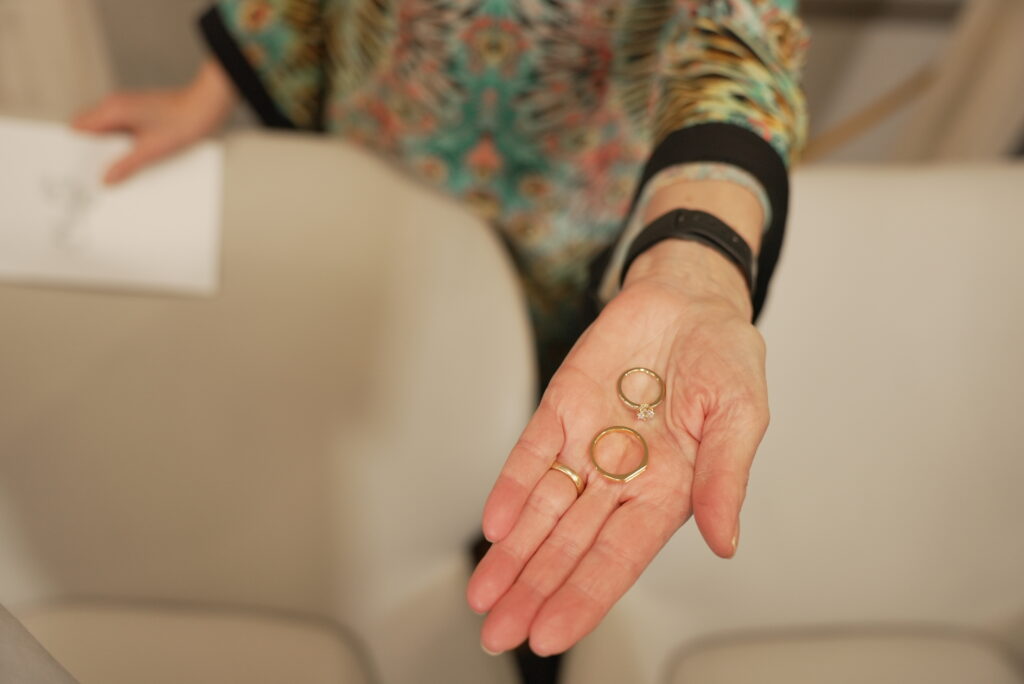
The reception and doli. The celebration finale — and the goodbye. The doli is one of the most emotional moments of the entire week, and it lasts minutes. If your team has packed up after the speeches, it is gone.
Why one team across all the days matters
There is a practical reason and an emotional one.
Practically, one team means one consistent look across every event — the same editing, the same storytelling style, the same people who already know your family by day three. Your gallery reads as one wedding, not a patchwork of different shooters’ styles.
Emotionally, something happens by the second or third day: your photographer stops being a vendor and becomes a familiar face. Family relaxes. Kids stop performing for the camera. The real moments come out — and those are the ones you will actually frame.
There is a simpler version of this too: a team that has been with you since the Maiyan does not need anything explained on the wedding morning. They know the schedule, they know the key people, and they know which uncle gives the speech that makes everyone cry.
Photo and film together, day by day
Photos and video do different jobs, and across multiple days that difference gets bigger. Photos freeze the moments — the expressions, the details, the portraits you will hang on your wall. Film keeps the sound — the dhol at the jaggo, the kirtan and laavan at the Anand Karaj, the speeches at the reception.
Booking photo and film with the same team also means both tell the same story, in the same style, from the same week. Booked separately, you can end up with two different versions of your wedding.
How multi-day Punjabi wedding coverage is quoted
Here is the honest version: there is no fixed package price for a multi-day Punjabi wedding, because no two are the same. Two days in Kelowna with photo only is a different job from four days across the Okanagan with photo and film across multiple venues.
We build every quote around your events — which days, how many events, photo and/or film, locations, and what you want delivered. Our local starting references are $95/hour for photography and $210/hour for videography. Those are starting points, not package prices — the final quote depends on your coverage, locations, production needs, and deliverables.
What to watch out for: a photographer who prices a multi-day celebration strictly by the hour can turn your week into a stressful math problem. Do we really need them at the jaggo? What if the jaggo runs late? You want coverage planned around your events, with a clear plan for each day — not someone watching the clock.
Before you book: a short checklist
- Anand Karaj experience. How many have they covered? Can they describe the gurdwara etiquette without hesitating?
- A multi-day plan, in writing. Which events, which days, what the team looks like each day — before you sign anything.
- Pre-wedding moments they watch for. Ask them to name the moments: chooda, kaleerein, doli. Specific answers only.
- Big-family logistics. Punjabi weddings mean big guest lists and long family photo lists. Ask how they run family portraits without eating an hour of your reception.
- Turnaround. When do you see your first images, and when is the film delivered? Get the delivery plan in writing before you book.
FAQ
How many days of coverage does a Punjabi wedding need?
Most Okanagan Punjabi weddings span two to four days of events — Maiyan, jaggo, Anand Karaj, reception. Coverage is usually planned event by event rather than by a fixed day count. Share your full schedule with your photographer and let them build the plan around it.
Do we need both photography and videography for a multi-day wedding?
They capture different things: photos freeze moments and portraits; video keeps the sound — the music, the ceremony, the speeches. Across multiple days, many couples find the film becomes the thing they rewatch most. Booking both with one team keeps the style and story consistent.
Can one photographer cover all the events?
For smaller celebrations, sometimes. For multi-day weddings with large guest lists, a second shooter or a dedicated film team is usually what keeps every event covered without gaps — especially when events run long or overlap.
How far in advance should we book a multi-day Punjabi wedding?
Peak dates book 12–18 months out, and multi-day celebrations take more planning than single-day weddings. If your date is set, it is worth enquiring early — tell us your date and we will check availability.
Do you travel outside Kelowna for multi-day weddings?
We photograph and film Punjabi weddings across Kelowna, West Kelowna, Vernon, Penticton, and the wider Okanagan. Tell us your venues and we will build the coverage plan around them.
Planning a Punjabi wedding in the Okanagan? Tell us about your events — the dates, the venues, what matters most to you — and we will build coverage around your celebration. Browse recent wedding work, or see Punjabi wedding photography in the Okanagan.