Behind the scenes content comparison: which format fits your goal
Compare seven behind the scenes content formats, decide by goal, audience, budget, and repurposing value, and brief a creator with confidence.
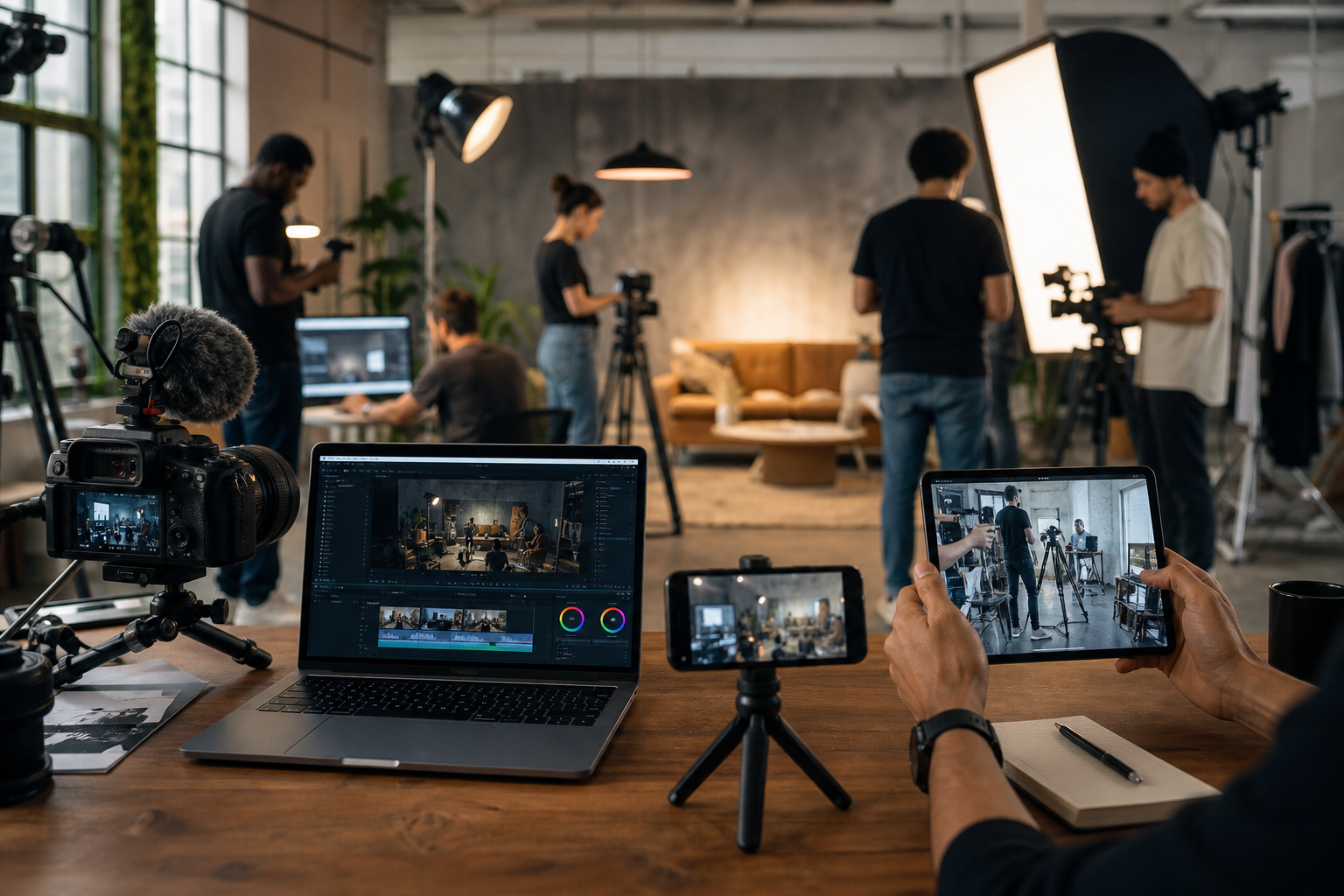
Behind the scenes content comparison: which format fits your goal
Choosing the right behind the scenes content starts with clear priorities: what do you want people to feel, who must see it, how much time and money can you commit, and how will you reuse the footage later. Behind the scenes content can humanize a brand and build trust when used deliberately, not as an afterthought. Research shows brands get engagement and authenticity from BTS storytelling when they reveal process and people rather than just polished ads, so plan it during pre-production rather than tacking it on at the end (Sprout Social, ContentBase, Seikan).
Quick decision checklist
- Primary goal — awareness, trust, conversion, recruitment, or press support.
- Target audience — existing customers, trade press, creators, or recruits.
- Brand tone — candid and playful, serious and informative, or technical and procedural.
- Time and budget — micro content using a smartphone, or a dedicated BTS shooter and editor.
- Repurposing plan — short-form social clips, longer YouTube extras, email thumbnails, or an EPK for press.
Answer those five items before you pick a format. That makes the selection process fast and defensible and prevents BTS from becoming a distracting add-on (Seikan, Rev).
Comparison matrix at a glance
| Format | Primary goal | Audience fit | Production complexity | Repurposing value | When to pick it |
|---|---|---|---|---|---|
| Timelapse | Show progress or scale | Broad, visual-first audiences | Low to medium | High for short social clips and hero website headers | When visual transformation is the story |
| Day-in-the-life | Humanize people and routines | Customers and recruits | Medium | High for Reels, TikTok, and LinkedIn | When you want personality and empathy |
| EPK (Electronic Press Kit) | Press, partners, or investor credibility | Media, buyers, collaborators | High | High for long form assets, press pages, and pitching | When you need professional proof points |
| Bloopers | Entertain and build relatability | Social-first followers | Low | High for short-form humor and shareability | When your brand tone allows playful vulnerability |
| On-set process | Explain craft and show accountability | Interested customers and enthusiasts | Medium | Medium to high for tutorials and feature extras | When technique or quality is a selling point |
| Milestone reels | Celebrate progress and motivate community | Existing fans and stakeholders | Low to medium | High for multi-channel announcement bursts | When you hit a distinct, newsworthy milestone |
| Equipment and setup reveals | Show professionalism and demystify craft | Prospective clients and peers | Low to medium | Good for blog posts, quick reels, and FAQs | When tools and process signal value |
Seven formats explained and when to use each
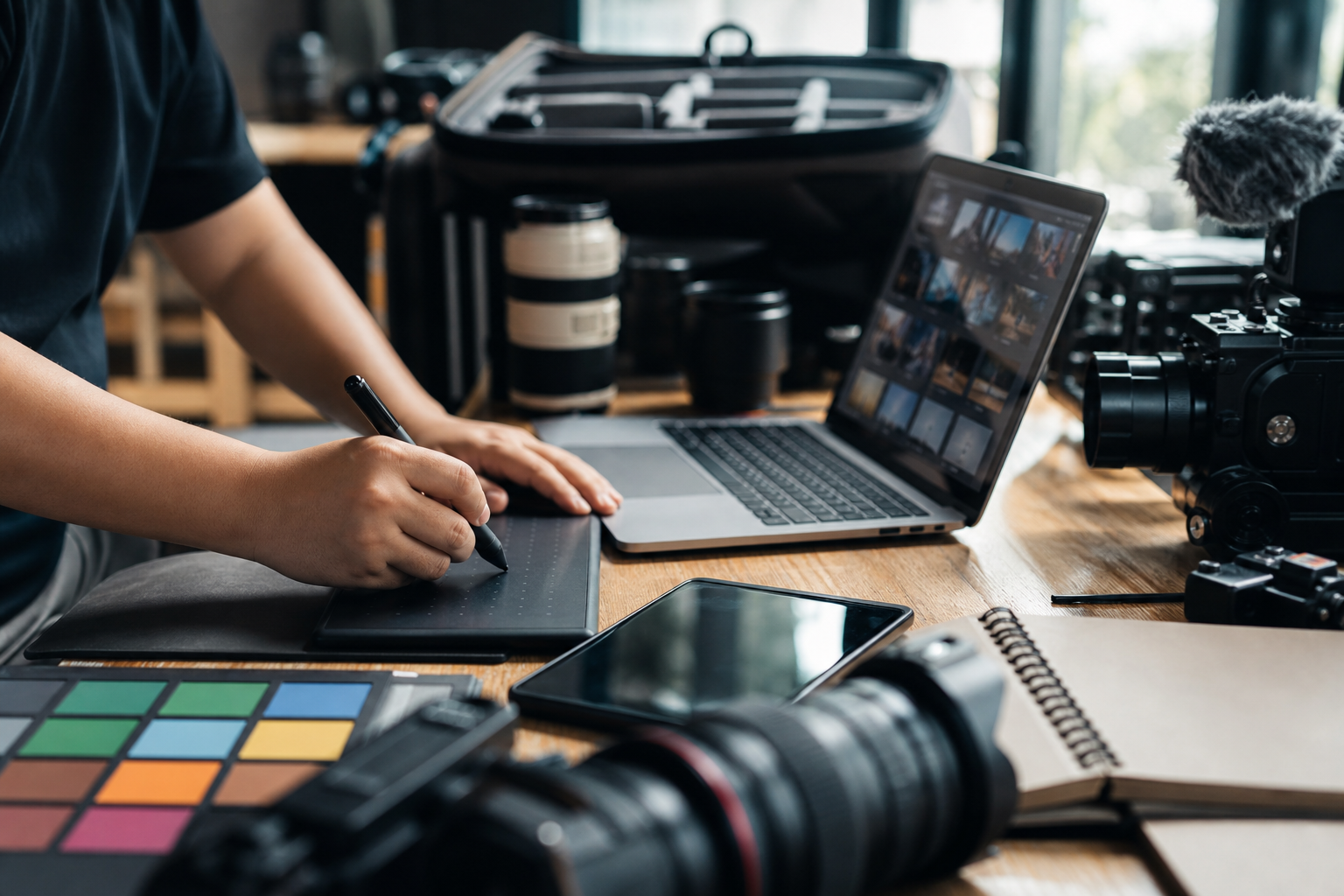
1. Timelapse
Goal in one line: compress long processes into a compelling visual arc. Ideal audience: anyone who responds to motion and transformation. Production complexity and gear: simple tripod or clamp plus a camera or smartphone that supports interval capture. Repurposing ideas: 15-second Reels, a 30-second website hero loop, a behind-the-shoot montage for email. Use case: show a day of shop production, an event setup, or a product assembly to prove scale and reliability.
2. Day-in-the-life
Goal in one line: humanize your team by showing routines and choices. Ideal audience: customers who buy on personality and recruits who want culture fit. Production complexity and gear: single-camera run-and-gun with lavalier audio for interviews. Repurposing ideas: short TikToks of micro-moments, a LinkedIn post thread, a long-form YouTube mini-doc. Use case: a creator or founder shares a workday to turn strangers into followers.
3. EPK (Electronic Press Kit)
Goal in one line: provide professional assets for media, partners, and buyers. Ideal audience: press, investors, large buyers. Production complexity and gear: higher production values, multiple camera angles, interviews, and polished edits. A well-shot EPK or BTS package can be invaluable when people need to know your team and craft before they invest, so consider professional help for this asset (Nikon).
Repurposing ideas: press kit clips for pitching, case study video for sales, long-form sections for a press page. Use case: launch a new line with a short documentary that supports PR outreach.
4. Bloopers
Goal in one line: entertain and lower the barrier between brand and audience. Ideal audience: social-first followers who share humorous content. Production complexity and gear: very low, capture candid moments on any camera. Repurposing ideas: quick Reels, TikTok compilation, story highlights. Use case: lighten a campaign with a blooper reel that boosts shareability and shows authenticity.
5. On-set process
Goal in one line: show craft, safety, and quality control. Ideal audience: customers who care about how things are made and partners who review your methods. Production complexity and gear: medium, designate a BTS shooter to capture cutaways and commentary. Repurposing ideas: short technique clips for a product page, longer how-it-was-made videos for YouTube. Use case: document a photoshoot to explain the decisions behind a product lifestyle shoot.
6. Milestone reels
Goal in one line: mark progress and rally your community. Ideal audience: existing customers and stakeholders. Production complexity and gear: low, gather clips around key dates. Repurposing ideas: social announcement videos, newsletter hero sections, highlight reels on your site. Use case: celebrate opening day, first production run, or a team win with concise reels across channels.
7. Equipment and setup reveals
Goal in one line: demystify your process to demonstrate expertise. Ideal audience: prospective clients and peers. Production complexity and gear: low to medium, close-up B-roll and voiceover work best. Repurposing ideas: blog embed with captions, short educational Reels, FAQ content. Use case: show why a production choice matters when a client questions value.
Behind-the-scenes content works because it shows parts of a brand people rarely see, providing context, personality, and proof that real people are doing real work. This approach is especially valuable on social platforms where attention is short and trust is hard to win (ContentBase, Sprout Social).
Production checklist and who should handle what
- Pre-production — define the five decision checklist, create a shot list, secure releases, and schedule a BTS role or contractor. Plan BTS during pre-production to ensure consistency and focus (Seikan).
- On set — assign a dedicated BTS shooter, capture candid and staged moments, get audio bites, and collect milestone timestamps. Keep BTS capture lightweight so it does not interrupt the main shoot.
- Postproduction — sort clips by format, select hero moments, and edit vertical and horizontal cuts. Choose raw, candid treatments for authenticity or polished edits for EPKs (Rev).
- Roles — creator or subject, BTS shooter, editor, legal/release lead, and a content owner who decides distribution and repurposing.
Repurposing matrix: where each format performs best
- TikTok and Instagram Reels — short, attention-grabbing clips: timelapse highlights, blooper snippets, and day-in-the-life micro-moments.
- YouTube and long form — EPKs, full day-in-the-life pieces, and extended on-set process explainers.
- Email and newsletters — short milestone clips, timelapse GIFs, and quick behind-the-scenes stills that drive clicks to a landing page.
- Website and press pages — polished EPK segments, equipment reveals, and a hero timelapse loop that proves capability.
When editing, create a 60-second master cut. Then export 15- to 30-second vertical cuts and a short 10-second trailer for stories. That approach delivers assets for multiple channels from a single shoot (Rev, Sprout Social).
Three short scenarios and the formats they need
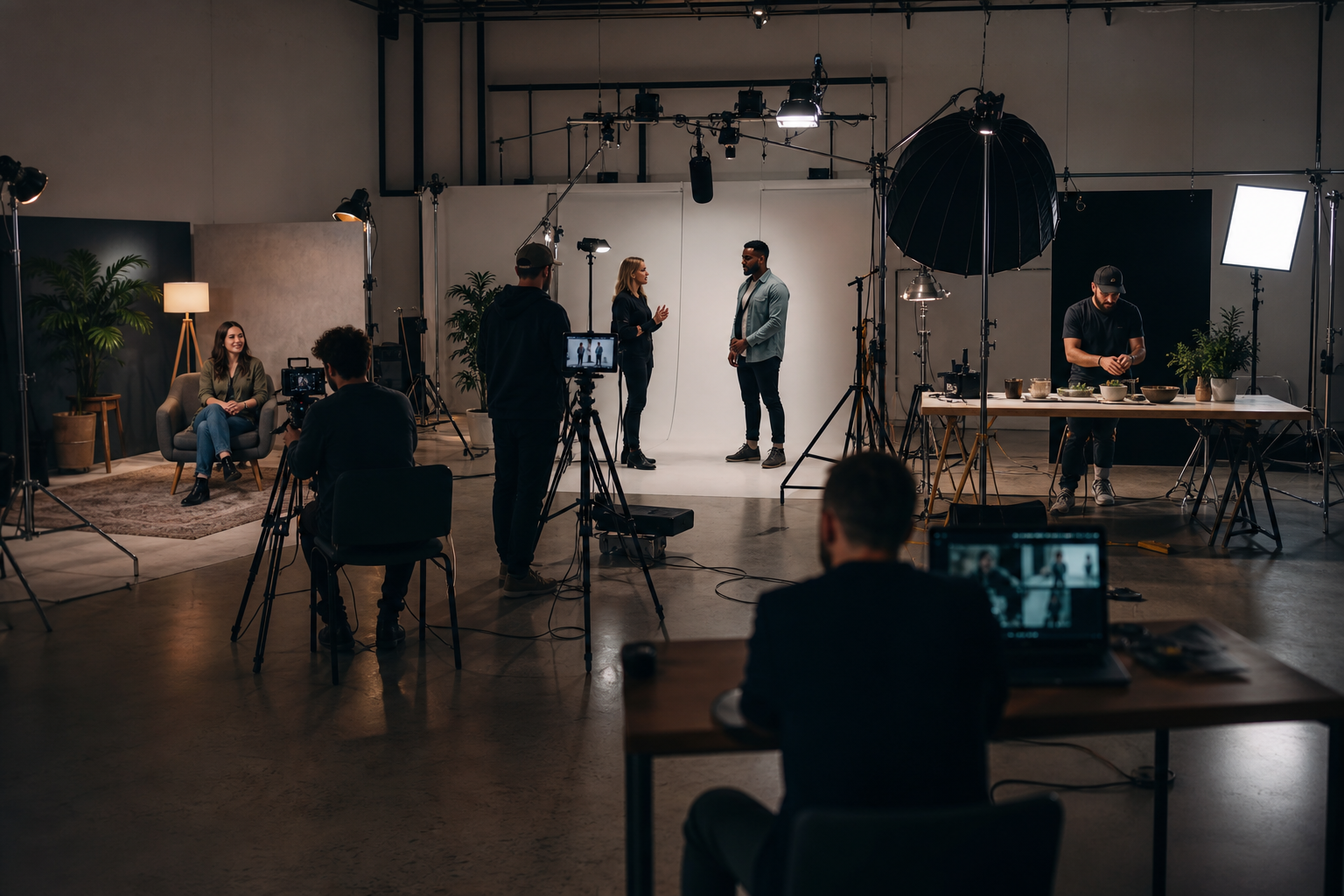
- Scenario A: product launch — goal: build credibility and preorders. Pick: EPK plus timelapse of production. Minimum brief: product story, two founder interviews, B-roll of assembly, and three 15-second timelapses.
- Scenario B: social growth for a creator — goal: increase followers and relatability. Pick: day-in-the-life and bloopers. Minimum brief: one half-day shoot, candid clips of routine, and 10 short verticals for Reels.
- Scenario C: trade partner outreach — goal: show quality and process. Pick: on-set process and equipment reveals. Minimum brief: focused how-it-was-made segments, technical close-ups, and an interview with a craft lead.
Common objections and practical workarounds
- Limited time — capture microBTS: 5 to 10 focused clips during key moments rather than continuous coverage.
- Small budget — use a single smartphone operator and prioritize three must-have clips for repurposing.
- Fear of revealing processes — share selective glimpses that highlight values rather than proprietary details.
- Worried BTS will distract — appoint a dedicated BTS shooter so the main team stays focused.
How to brief Scene Stealers' Creations and next steps
Include these items in your brief: the primary goal, target audience, desired formats from the comparison, a proposed shoot date window, required deliverables and durations, and any release or legal notes. Request a planning call to map scope and timelines. Visit the Scene Stealers' Creations contact page or call our website and phone +1 250 200 0606 to schedule a BTS planning session. For more reading on related content, see our blog post4.
Frequently asked questions
What is the single most important question to answer before choosing a behind the scenes format
Identify the primary goal: do you need awareness, trust, conversions, press, or recruitment? The goal determines format, tone, and production scale and keeps BTS aligned with measurable outcomes (Sprout Social).
Which behind the scenes format is easiest to produce in-house with a smartphone
Bloopers and timelapse are simplest with a smartphone. Bloopers require candid capture, while timelapse needs a stable mount and interval capture, both of which deliver high social shareability with low effort.
How much BTS content should I capture during a single shoot to enable repurposing
Capture a short master cut and at least 10 to 15 stand-alone moments that can be edited into 15- to 60-second assets. Plan for vertical and horizontal framing if you expect multi-channel repurposing (Rev).
Can behind the scenes content replace polished promotional videos
No. BTS complements polished promos by building trust and relatability, but polished assets are still needed for formal ads, high-stakes pitches, and EPKs where production values matter.
Do I need talent releases or location permissions for BTS footage
Yes. Obtain signed releases from anyone identifiable and secure location permissions when required. Planning releases in advance prevents legal delays during distribution.
Ready to choose a BTS format and brief a professional? Contact Scene Stealers' Creations to request a planning call or to discuss a custom BTS package. Call +1 250 200 0606 to start the conversation.